


When people discover a business online, they usually want to learn more before contacting it. They may visit the website, read service details, check contact information and compare different businesses.
However, a website does more than display information. It also helps visitors understand whether a business looks professional, reliable and suitable for their needs.
Therefore, building customer trust should be an important part of every business website.
Whether you run a local service company, coaching institute, real estate business or online store, a trustworthy website can help create better opportunities for customer enquiries.
In this article, we will explore practical ways to build customer trust through your website.
1. Create a Professional First Impression
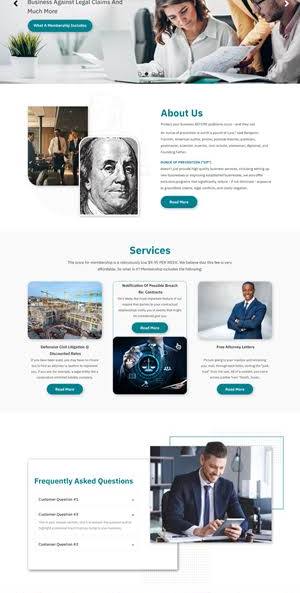
Your website is often one of the first places where potential customers learn about your business.
If the design looks confusing or outdated, visitors may find it difficult to understand your services.
A professional website should have:
- A clean and organized layout.
- Easy-to-read text.
- Consistent colours and fonts.
- Clear navigation menus.
- Relevant business images.
- Mobile-friendly pages.
Additionally, keep your homepage simple. Visitors should quickly understand what your business offers and how they can contact you.
2. Explain Your Services Clearly
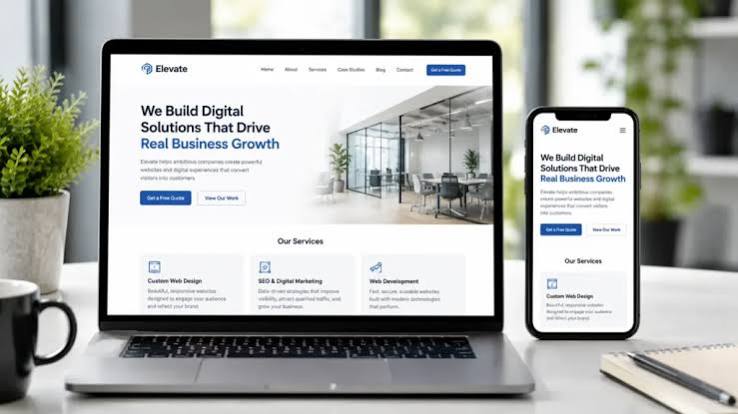
Customers should not have to guess what your business provides.
Write clear service descriptions that explain what you offer, who can benefit and how your service works.
For example, a digital marketing agency can create separate sections for:
- Search Engine Optimization.
- Google Ads Management.
- Facebook and Instagram Advertising.
- Website Development.
- Landing Page Design.
- Lead Generation.
Moreover, use simple language instead of complicated marketing terms.
When visitors understand your services, they can make more informed decisions.
3. Display Accurate Contact Information
Easy communication is an important part of building customer confidence.
If visitors cannot find your contact details, they may leave without making an enquiry.
Make sure your website displays:
- Business phone number.
- Professional email address.
- Contact form.
- Business location, when relevant.
- WhatsApp contact option, if available.
Furthermore, check that every contact link and form works correctly.
A simple contact process can make it easier for interested visitors to reach your business.
4. Show Genuine Customer Reviews and Feedback
Customer feedback can help new visitors understand other people’s experiences with your business.
If you have received genuine reviews, consider displaying relevant feedback on your website.
You can include:
- Genuine customer testimonials.
- Public business reviews.
- Approved project feedback.
- Case studies with accurate information.
However, never create fake reviews or make unsupported claims.
Always obtain permission before publishing private customer information or photographs.
Authentic feedback is more useful than exaggerated promises.
5. Make Your Website Mobile-Friendly
Many people browse websites using smartphones.
Therefore, your website should work properly on different screen sizes.
Check these important elements:
- Text should be easy to read.
- Buttons should be easy to tap.
- Images should fit the screen.
- Menus should work correctly.
- Contact forms should be simple.
- Pages should load properly.
In addition, test your website on both mobile and desktop devices.
A comfortable browsing experience helps visitors explore your business information without unnecessary difficulty.
6. Publish Useful and Relevant Content
Useful content helps visitors understand your industry, services and business knowledge.
Instead of publishing only promotional messages, answer common customer questions.
For example, a digital marketing agency can publish articles about:
- How SEO helps local businesses.
- What businesses should know before running Google Ads.
- How landing pages support customer enquiries.
- Why social media marketing needs a clear plan.
- How businesses can improve online visibility.
Additionally, update older articles when information becomes outdated.
Helpful content can support your website’s search visibility and give visitors more reasons to explore your services.
7. Use Clear Calls to Action
After reading your website content, visitors should know what to do next.
A call to action (CTA) guides people towards a useful next step.
Examples include:
- Contact Our Team.
- Request a Consultation.
- Explore Our Services.
- Send an Enquiry.
- Get More Information.
Place relevant calls to action on service pages and important sections.
However, avoid filling every section with too many buttons. Keep the next step clear and simple.
8. Keep Website Information Updated
Outdated information can create confusion.
For example, an old phone number, broken link or unavailable service may affect the visitor experience.
Review your website regularly and check:
- Contact details.
- Service descriptions.
- Pricing information, if displayed.
- Images and banners.
- Website links.
- Contact forms.
- Privacy policy and other important pages.
As a result, visitors can find more accurate information about your business.
9. Build Trust Before Asking for an Enquiry
Customers often want to understand a business before sharing their contact details.
Therefore, provide useful information before asking visitors to submit a form.
Explain your working process, describe your services and answer common questions.
If you offer lead generation services, clearly explain the campaign approach and the factors that can affect results.
For example, advertising performance may depend on the target audience, competition, budget, offer and landing page quality.
Clear communication helps set realistic expectations.
Website Trust Checklist
Before promoting your website, review these points:
- Is the website design professional?
- Are all services explained clearly?
- Are contact details visible?
- Do contact forms work properly?
- Is the website mobile-friendly?
- Are customer reviews genuine?
- Is the content useful and updated?
- Are calls to action easy to understand?
- Do all important links work?
Reviewing these elements can help identify areas that need improvement.
How SR Unique Agency Helps Businesses Build Their Online Presence
At SR Unique Agency, we help businesses improve their online marketing activities according to their goals and requirements.
Our services include:
- Search Engine Optimization (SEO).
- Google Ads and PPC Campaigns.
- Facebook and Instagram Advertising.
- Website Development.
- Landing Page Design.
- Social Media Management.
- Lead Generation Strategies.
We focus on helping businesses reach relevant audiences, present their services clearly and create opportunities for customer enquiries.
If your business wants to explore lead generation support in Karnal, visit our Lead Generation Services in Karnal page.
Frequently Asked Questions
1. Why is customer trust important for a business website?
Customer trust helps visitors feel more confident when exploring your services and deciding whether to contact your business.
2. How can I make my website look more professional?
Use a clean design, clear service information, readable text, relevant images and simple navigation.
3. Do customer reviews help build website trust?
Genuine customer reviews can help visitors understand other customers’ experiences. Always publish authentic feedback.
4. Does a mobile-friendly website matter?
Yes. A mobile-friendly website makes it easier for smartphone users to read information, explore services and contact your business.
5. Can website design help generate customer enquiries?
A clear website with relevant service information, working contact forms and useful calls to action can make it easier for interested visitors to enquire.
Final Thoughts
Building customer trust takes more than an attractive website.
Businesses should provide accurate information, explain their services clearly and make communication easy.
Additionally, useful content, genuine customer feedback and a smooth mobile experience can improve how visitors interact with a website.
Focus on helping visitors understand your business before asking them to become customers.
Want to improve your online presence and attract relevant enquiries?