

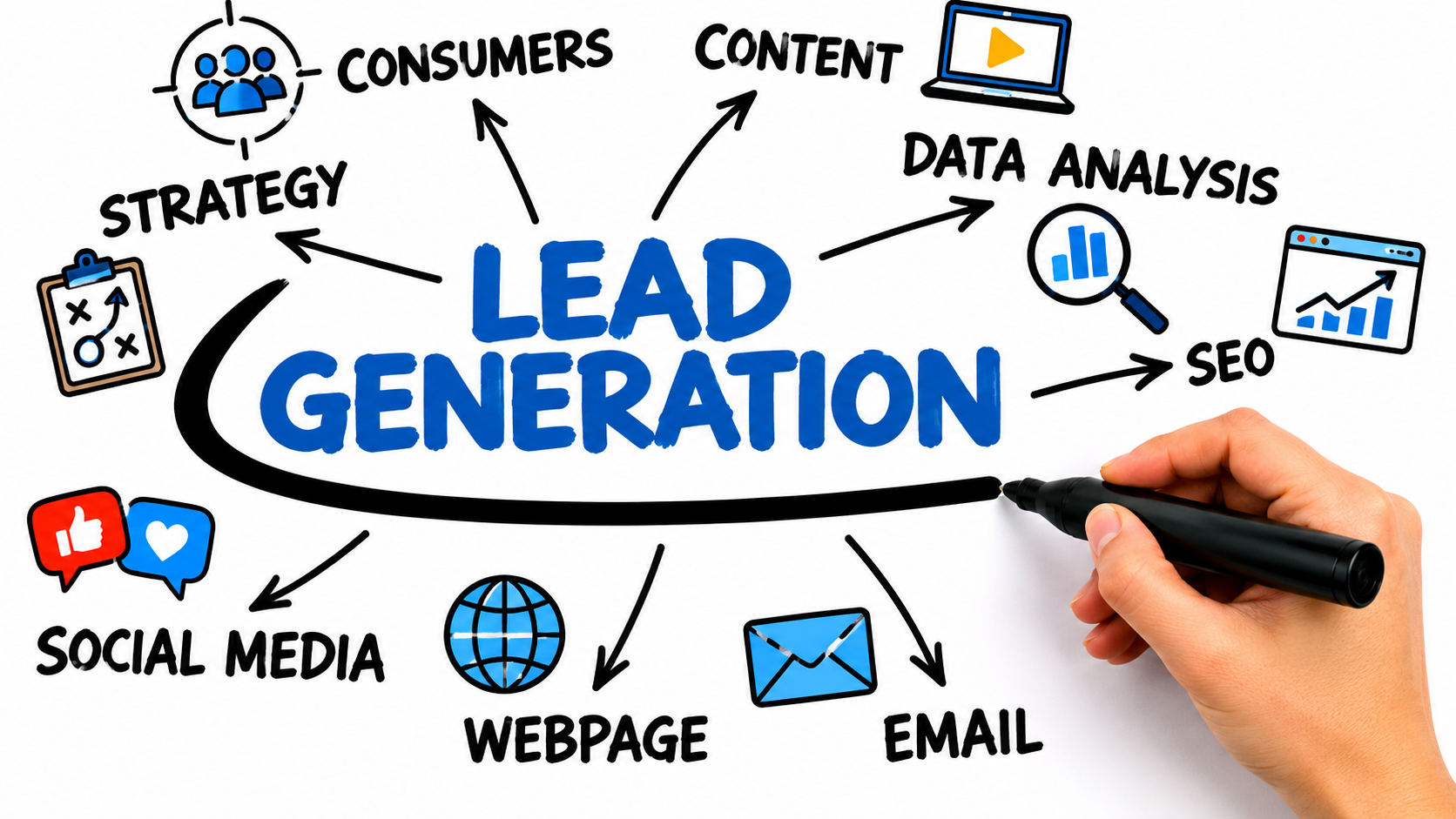
Getting a business enquiry is only the first step towards finding a potential customer. What happens after receiving that enquiry is equally important.
Many businesses invest in Google Ads, Facebook Ads, Instagram promotions, and SEO to attract potential customers. However, they sometimes miss opportunities because enquiries are not handled properly or follow-ups are delayed.
A well-planned lead follow-up strategy can help businesses communicate better, understand customer requirements, and improve their chances of converting enquiries into business opportunities.
Let’s understand why lead follow-up matters and How your business can improve its approach.
1. Every Business Enquiry Deserves Attention
When someone contacts your business, they are showing interest in your product or service.
However, not every enquiry is immediately ready to make a purchase. Some people need additional information, while others may be comparing different service providers.
Therefore, responding professionally and understanding their requirements can help create a better customer experience.
2. Respond to Enquiries on Time
Timely communication is an important part of customer service.
If a potential customer contacts your business, try to respond as soon as reasonably possible during your working hours.
A useful response should:
- Acknowledge the customer’s enquiry.
- Understand what service they need.
- Provide relevant information.
- Explain the next steps clearly.
Moreover, professional communication helps customers understand that their enquiry is being taken seriously.
3. Keep Your Lead Information Organized
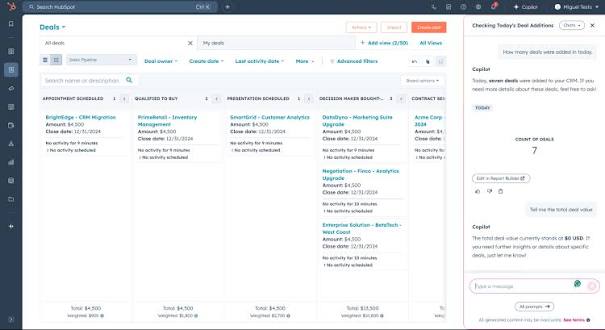
Managing enquiries without a proper system can become confusing, especially when your business receives enquiries from multiple marketing channels.
You can maintain a simple lead record containing:
- Customer name
- Contact details
- Required service
- Enquiry date
- Source of enquiry
- Follow-up status
For example, you can organize enquiries into categories such as New Enquiry, Contacted, Follow-Up Required, and Closed.
This makes it easier to manage customer communication.
4. Understand Where Your Leads Are Coming From
Not all marketing channels generate enquiries in the same way.
Some potential customers may discover your business through Google Search, while others may come through Facebook, Instagram, or paid advertising campaigns.
Tracking enquiry sources helps you understand which marketing activities are contributing to your business enquiries.
You can monitor:
- Google Ads enquiries
- Facebook and Instagram campaign enquiries
- Organic website enquiries
- WhatsApp contacts
- Direct phone calls
As a result, your marketing decisions can be based on useful information rather than assumptions.
5. Create Helpful Follow-Up Messages
A follow-up message should be professional, relevant, and respectful.
For example:
“Hello! Thank you for contacting us. We wanted to check whether you received the information about our services. Please let us know if you have any questions. We will be happy to assist you.”
Avoid sending repeated messages unnecessarily. Give people enough time to respond and respect their communication preferences.
6. Use Digital Marketing to Attract Relevant Enquiries
A good follow-up system works best when combined with a focused lead generation strategy.
Your business can use different digital marketing channels to reach relevant audiences.
Google Ads: Reach people searching for services related to your business.
Facebook and Instagram Ads: Introduce your products or services to relevant audiences.
SEO Services: Improve your website’s visibility in organic search results.
Landing Page Optimization: Make it easier for interested visitors to understand your offer and submit an enquiry.
Each channel has a different purpose. The right combination depends on your business goals, audience, industry, and budget.
7. Review Your Lead Generation Performance
Regular performance reviews can help identify areas that need improvement.
For example, check how many enquiries your business receives, which sources generate them, how quickly they are handled, and which enquiries move forward.
You can use these observations to improve your advertising campaigns, website content, communication process, and follow-up system.
Remember, marketing performance depends on several factors, including competition, budget, service quality, and customer demand.
How SR Unique Agency Supports Business Lead Generation
At SR Unique Agency, we help businesses develop digital marketing strategies focused on attracting relevant audiences and encouraging business enquiries.
Our services include:
- Google Ads Campaign Management
- Facebook & Instagram Advertising
- Search Engine Optimization (SEO)
- Website and Landing Page Optimization
- Lead Generation Strategy
- Digital Marketing Performance Monitoring
Our goal is to help businesses build a more organized online marketing approach and create better opportunities to connect with potential customers.
Frequently Asked Questions
1. What is lead follow-up?
Lead follow-up is the process of communicating with people who have shown interest in your products or services.
2. Why is lead management important?
Lead management helps businesses organize enquiries, track communication, and understand the progress of potential customers.
3. Can digital marketing generate business enquiries?
Yes. SEO, Google Ads, and social media advertising can help businesses reach relevant audiences and encourage enquiries. Results vary by campaign and business conditions.
4. How can I track my business leads?
You can use a spreadsheet or a suitable CRM system to record customer details, enquiry sources, communication dates, and follow-up status.
Build a Better Lead Generation Strategy
Generating enquiries is important, but managing them professionally is also a valuable part of business growth.
With the right combination of digital marketing, organized lead management, and timely communication, businesses can improve how they handle potential customer enquiries.